

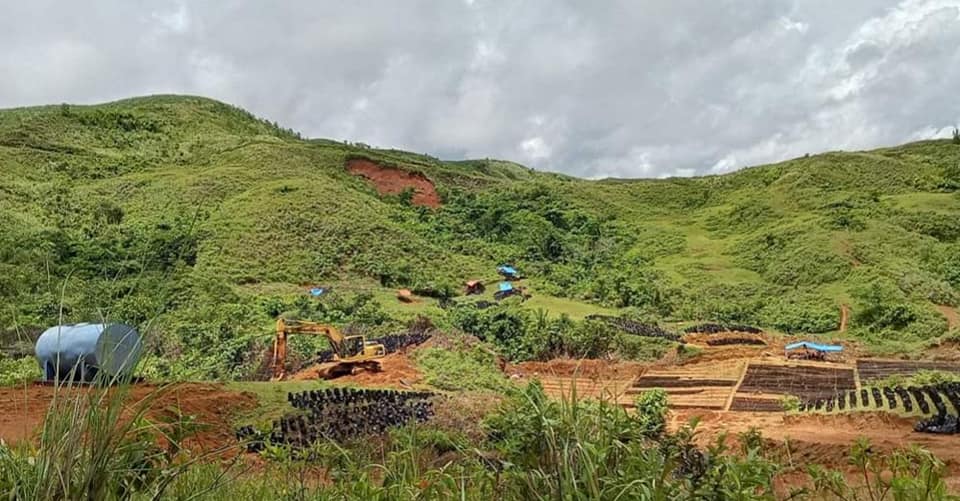
Residents from three barangays in Candoni, Negros Occidental, are condemning the displacement and alleged illegal land conversion to accommodate a 2-billion palm oil plantation owned by the Consunji family.
The residents of Barangay Gatuslao, Agboy, and Payauan asserted that bulldozing activities have commenced in their area, with residents forcibly evicted and their livelihoods disrupted, despite assurances from the local government that the plantation would generate an estimated 3,000 jobs.
The affected residents claimed that their 6,652-hectare area, classified as forest land, includes 4,000 hectares inhabited by Indigenous Peoples (IPs). The residents argued that the sale and purchase of their land could constitute illegality, and they are currently seeking assistance from Atty. Rey Gorgonio.
The Department of Environment and Natural Resources (DENR) previously granted an Integrated Forest Management Agreement to Hacienda Asia Plantation Incorporated (HAPI) on October 14, 2009. This decision has been questioned by residents, who question why DENR allowed their land to be reclassified for palm tree plantation.
Paghidaet sa Kausawagan Development Group(PDG), a local farmers’ NGO, expressed concerns over the potential environmental and social impacts of the proposed palm oil plantation.
According to PDG in statement released in May last year, initial activities, including worker hiring and preparation for seedling propagation and temporary infrastructure, have already begun despite formal petitions and queries questioning the legitimacy of the agreement.
Kilusang Magbubukid ng Pilipinas – Negros in a statement released today criticized the DENR, the local government’s environment committee, and the LGU for approving the reclassification without adequately considering its impact on residents’ homes, livelihoods, and the environment.
According to the group, the LGU through its town councilor Dember Catipunan assured residents of livelihood opportunities from the plantation, but now residents are gradually being evicted.
According to a Rappler report, the project will run for 25 years and can be renewed for another 25 years. This is part of the Philippine’s largest property developers the Consunji’s foray into agriculture, the report added.
 Paghimutad