
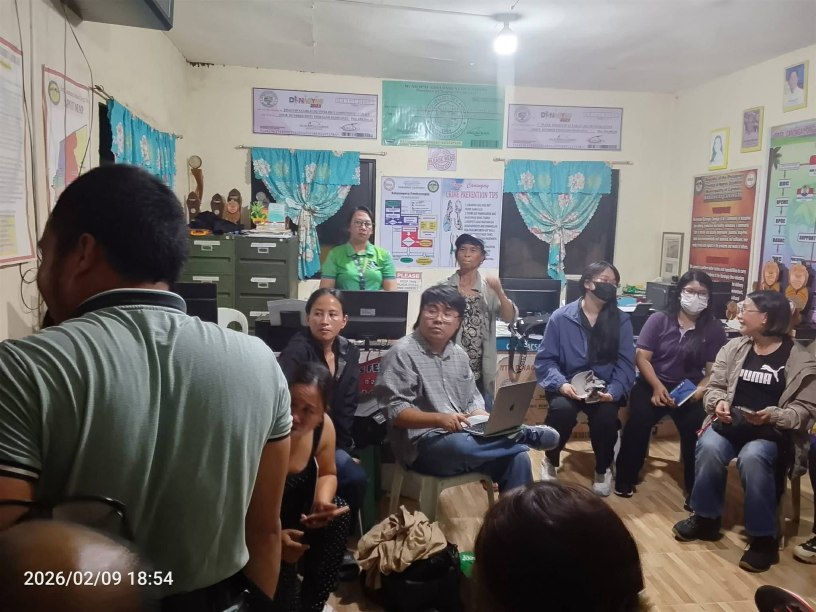
BACOLOD CITY, Philippines — When former palm oil plantation worker Rosie Canillo was asked if her name could be used to tell her story about slain community journalist RJ Ledesma, she gave a simple answer.
“Puwede gid, basta para kay RJ,” Canillo said. (Definitely, anything for RJ)
For farmers and former plantation workers in Candoni, Negros Occidental, Ledesma was not a distant reporter who arrived only to gather quotes. They remembered him as someone who stayed with communities, listened to their accounts and helped bring attention to their struggles against land displacement, labor retrenchment and environmental degradation linked to the expansion of Hacienda Asia Plantations Inc., or HAPI.
Ledesma was among 19 people killed in an April 19 military operation in Toboso, Negros Occidental. The Philippine military has said all those killed were associated with the New People’s Army (NPA), the armed wing of the Communist Party of the Philippines (CPP). Human rights groups, media advocates and civil society organizations have disputed that account, saying that journalists, researchers, organizers and civilians were among those killed.
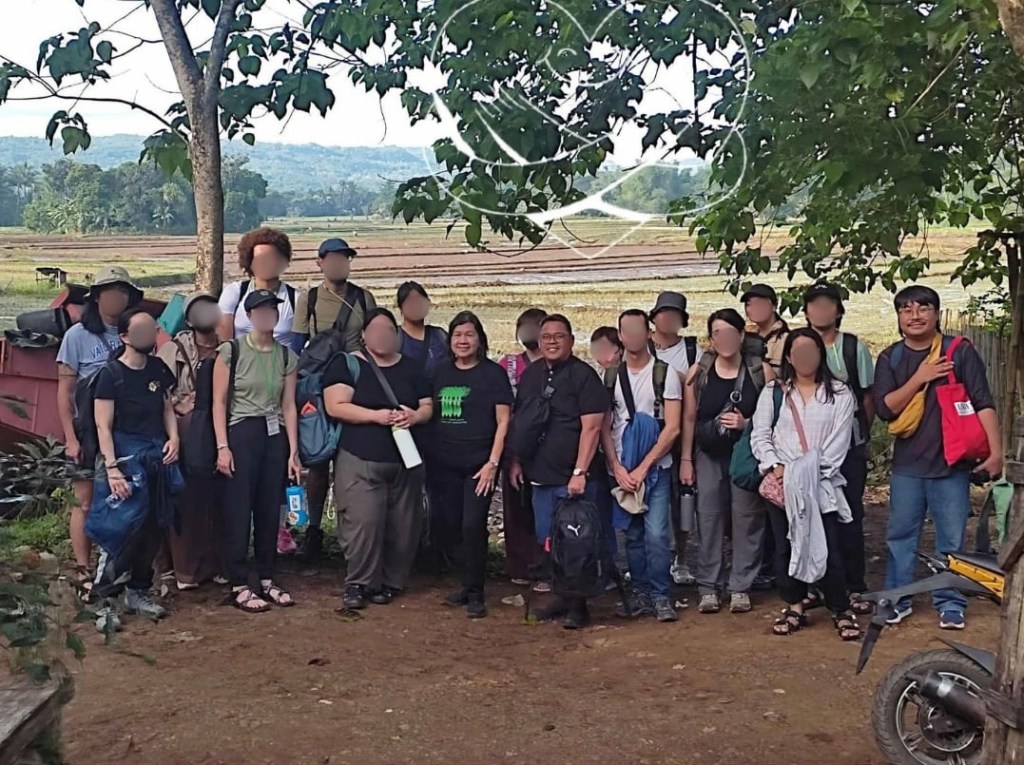
In Candoni, where Ledesma had reported on the impact of palm oil expansion, farmers said they reject the military’s claim.
“We know you very well, RJ, that you were not NPA,” Canillo said. “They killed you so that no one would be left to help the farmers and workers.”
Canillo, a former HAPI palm oil worker, said Ledesma was kind, patient and eager to assist farmers and workers in the field. She said he helped retrenched workers file a case with the Department of Labor and Employment after they lost their jobs.
She also recalled how Ledesma interviewed her family about their fear of being driven from their home. Canillo said military personnel and company-linked security forces had pressured residents to leave areas targeted for plantation expansion.
Ledesma’s reporting on Candoni documented complaints from farmers and workers who said palm oil operations had affected their livelihoods, land and environment. His work also covered allegations that small farmers near HAPI plantations saw their lands bulldozed, with state forces present, to clear the way for expanded plantation operations.
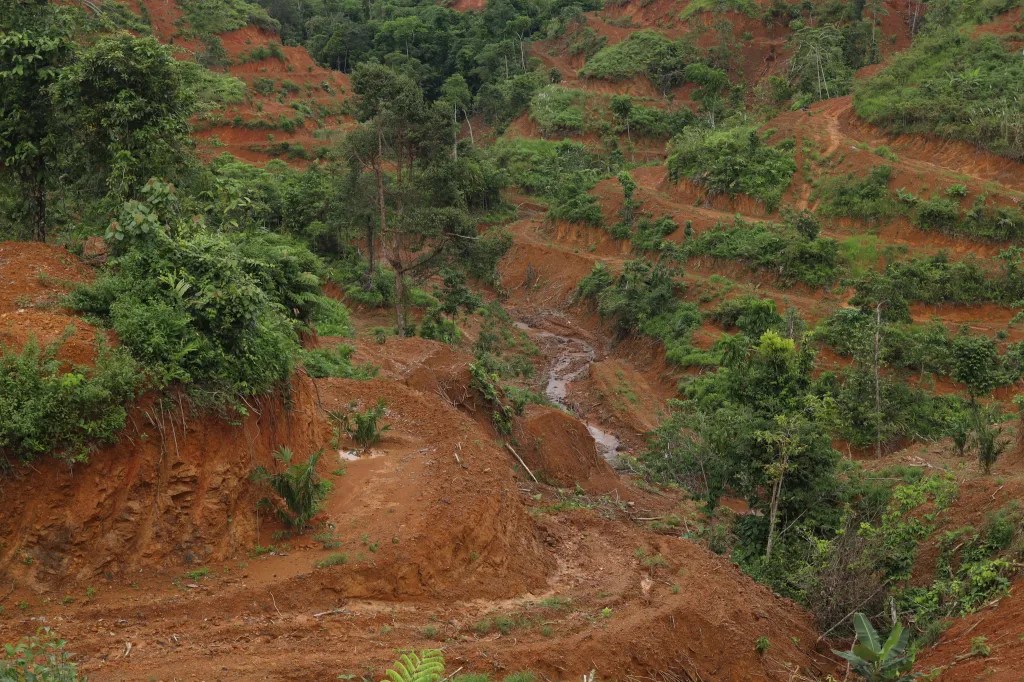
Source: Altermidya
Local farmer Lynlyn Casenio said Ledesma spent days with farmers who were facing displacement. She said he did not treat their experiences as ordinary interviews, but as stories that carried the pain of families at risk of losing land, homes and livelihood.
Casenio said Ledesma’s concern appeared genuine. She remembered him becoming emotional while hearing accounts from farmers affected by the palm oil corporation.
“I will never believe that he was a member of the NPA because we got to know him so well in the two times he came over,” Casenio said. “He couldn’t even manage to carry a small bucket of water without it spilling all over.”
For Canillo and Casenio, Ledesma’s death was not only the killing of a journalist. It was also the loss of a person they believed had helped make visible the struggles of communities often ignored outside Negros Island.
They said many in Candoni shared their grief and anger, especially those who had seen Ledesma document the effects of plantation expansion on farmers, workers and the environment. They said his death dealt a heavy blow to the local movement against land displacement and environmental destruction.
Still, they said they hoped others would continue the work Ledesma began.
“RJ, you are an angel sent to help people wronged by greedy capitalists, and were a great example to the youth,” Canillo said.
As calls for accountability over the Toboso operation continue, farmers in Candoni said they want Ledesma to be remembered not as the military described him, but as they knew him: a journalist who entered their communities, carried their stories and made their struggles harder to erase.

