
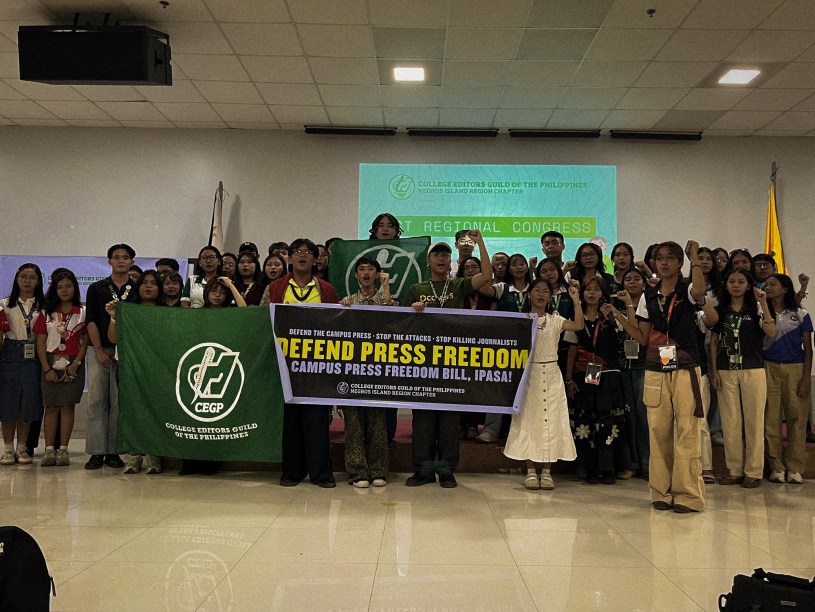
Student journalists from across the Negros Island Region paid tribute to the life of slain community journalist RJ Ledesma and demanded justice for his killing during the College Editors Guild of the Philippines – NIR’s (CEGP – NIR) 1st Regional Congress in Bacolod City, May 2.
Through a lightning protest, speeches, and poetry readings, about 70 campus journalists from 13 student publications honored Ledesma who was among the victims killed during a supposed military operation at Brgy. Salamanca, Toboso, Negros Occidental on April 19.
Ledesma was the chief editor of Paghimutad and the regional coordinator AlterMidya Network – Negros who amplified voices of the marginalized through covering stories about human rights, developmental aggression, and environmental issues, among many others.
He also served as a supportive mentor to the chapter who offered his solidarity across advocacies, networks, and events over the years. Moreover, he was a foundational figure behind the guild’s major relaunching last September 2023.
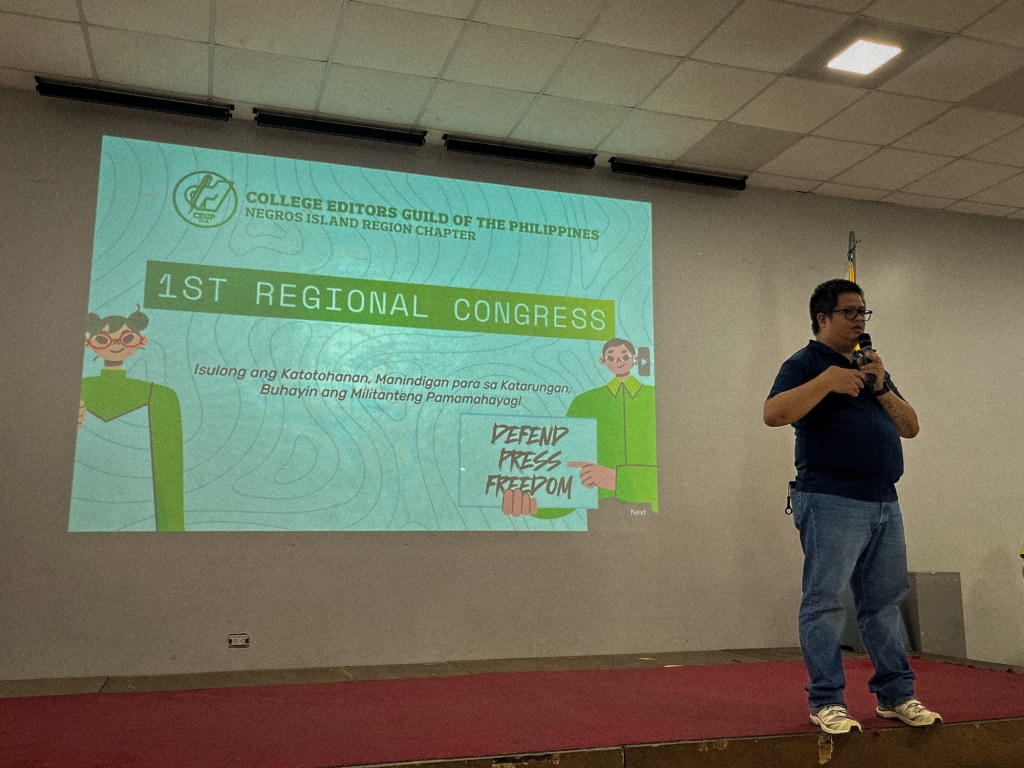
“RJ’s story does not end just because he is gone. Even just one of you here would muster some strength and courage to decide to go [to marginalized communities], to listen, and to stay someday,” AlterMidya News Producer and resource speaker Mark Saludes said during his talk “Tungo Sa Masa: From Campus to the Communities”.
As a media colleague, Saludes described Ledesma as a versatile and impassioned individual who wore many hats: a poet, a writer, a youth leader, a human rights defender, and an environmentalist, to name a few. He also recalled his memories with the late Zara Alvarez, a Bacolod-based human rights leader gunned down in 2020 whose assailants remain unknown up to this date.
He emphasized in his keynote address how the region remains a hotspot of social unrest, state-sponsored violence, and crackdown against activists: “The situation of Negros five years ago haven’t changed [until now]. It is a story that we still discuss today, and that is a story that should be discussed within campus publications.”
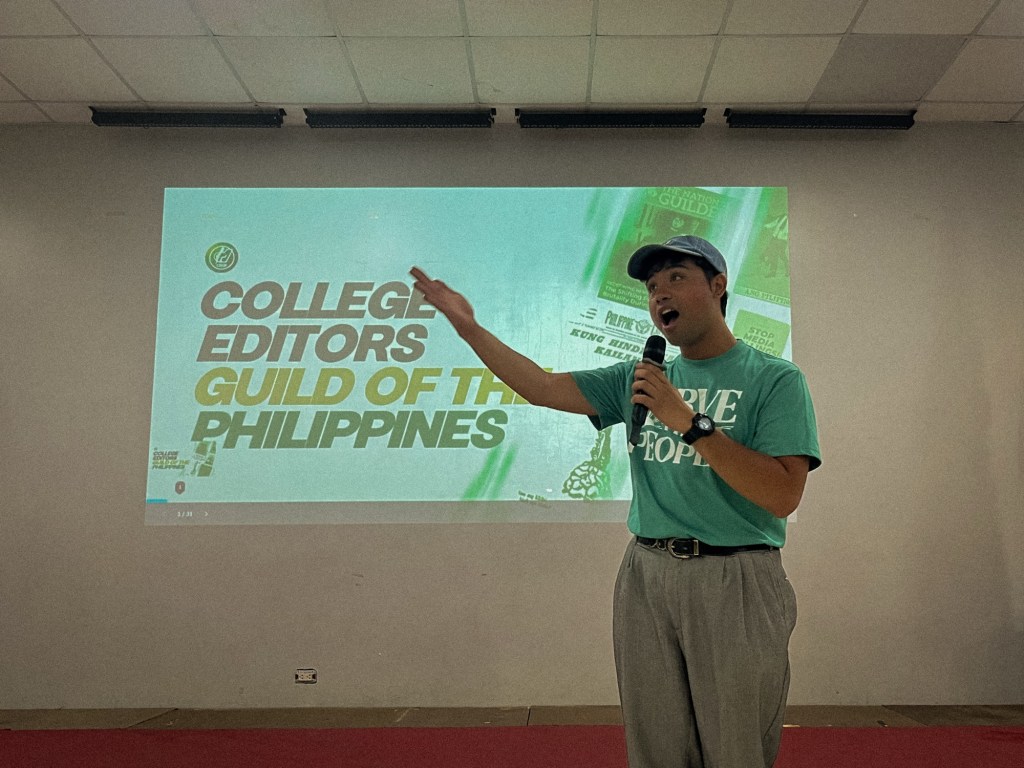
Meanwhile, CEGP National Spokesperson Brell Lacerna, who delivered a talk on “The Choice to Write: Our Urgent Tasks as Campus Journalists”, urged student journalists to move beyond competitions and press conferences and learn to immerse themselves with on-ground experiences of those in the grassroots.
“By knowing stories about different people, writing about them, and making an impact about them—that creates change. And that itself is worth living,” he said. “Student journalism will always capture how it is really vital to our society—to really change it and fight for it.”
Citing the brutal case of Ledesma, he also emphasized the guild’s campaigns and calls to protect journalists, junk the Anti-Terror Law, and drop the charges against community journalists Frenchie Mar Cumpio and Deo Montesclaros.
Additionally, Lacerna presented a summary of 206 cases of campus press freedom violations recorded by CEGP from 2023–2024. All student publications from different regions are reportedly subjected to these attacks. He reiterated the need to repeal the “toothless and outdated” Campus Journalism Act of 1991 and pass the Campus Press Freedom Bill (CPFB), which seeks to address the limitations of the nearly 30-year-old law and to strengthen protection against censorship, harassment, and administrative intervention.
After the keynote discussions, the chapter initiated the election of CEGP-NIR executive officers. Newly-elected officers include chairperson Althea Geaga from The Technopacer – Talisay, vice-chairperson Ketch Tim Infante from The Westimes, and secretary-general Selwyn Jaco from The Spectrum.
Member-publications later deliberated and approved a total of four resolutions, particularly tackling the defense and advancement of campus press freedom in the region; amplification of local mass campaigns in the region; fortification of campus publications’ competence and capacitation; and membership officialization of publications in the chapter.
It was then followed by Jaco’s presentation of a six-month general plan of action and the reading of a manifesto for campus press freedom and people-centered journalism.
“We call for justice for RJ Ledesma. His death is a grave attack not only on the press but on the people’s right to know,” an excerpt from the manifesto read. “We commit to carry forward his legacy—a journalism that serves the best interest of the people, grounded in truth courage and accountability.”
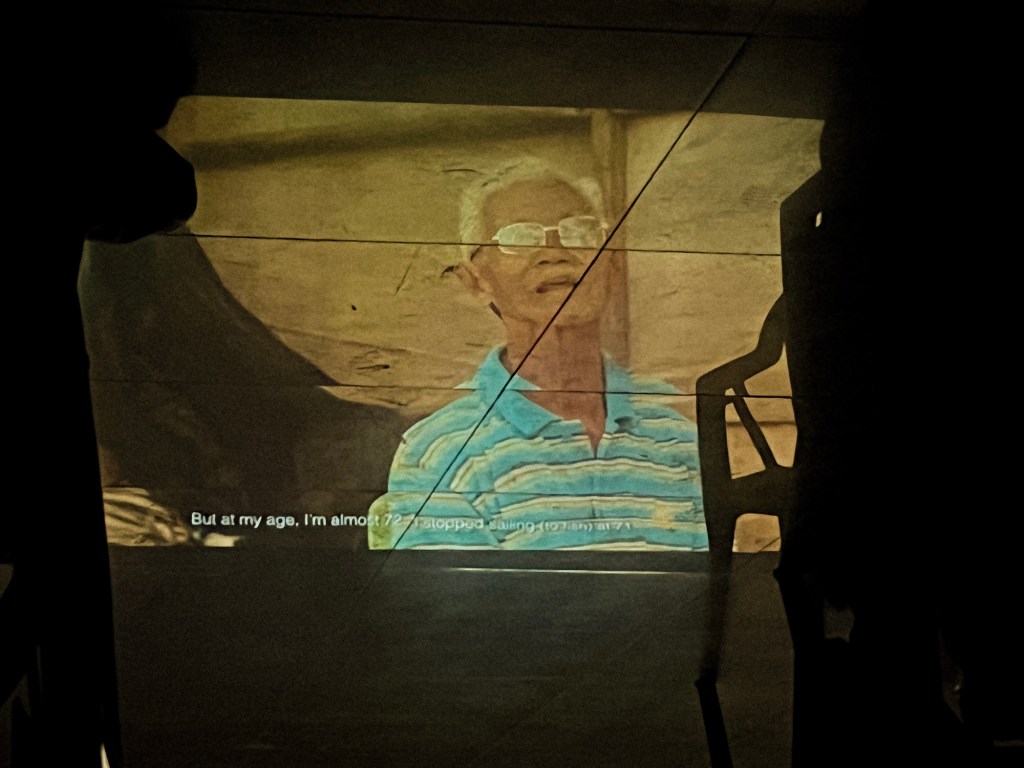
A series of documentaries from various publications was screened during the latter part of the event, highlighting community struggles such as those of the fisherfolk of Brgy. Punta Taytay in Bacolod City and various sectors affected by the palm oil plantation in Candoni, spearheaded by Hacienda Asia Plantation Inc. (HAPI).
The congress culminated with a lightning protest calling for an end to the killings and attacks against journalists, the defense of campus press freedom, and the passage of the CPFB.
“As campus journalists in a highly militarized region, we are more than aware that a sheet of paper cannot dodge a bullet nor our pen has any armor,” chairperson Geaga shared in her closing speech.
“They may aim for the messenger, but they cannot kill the message,” she added. “Because as long as one journalist breathes, their pen will will never falter for the truth is alive and as long as the truth is alive, the oppressors should be afraid.”
 Paghimutad