
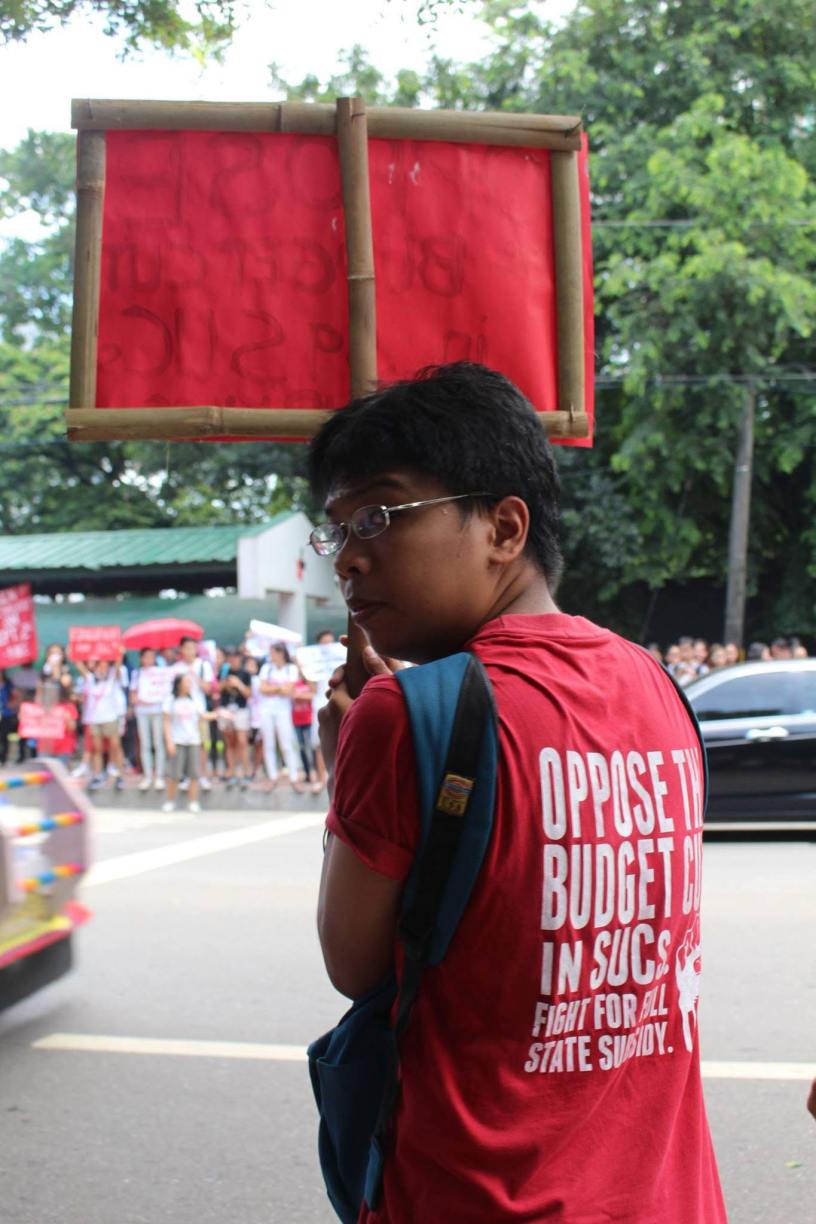
BACOLOD CITY, Philippines — Vince Francis “Ding” Dingding was remembered not as ordinary, but as “larger than life.”
The former University of the Philippines Cebu student leader was among five alleged New People’s Army fighters killed May 16 in a series of military encounters in the mountain villages of Cauayan, Negros Occidental, authorities and student groups said.
Dingding, also known as “Poy,” was killed alongside Jobert Casipong, Gilbert Tingson, Rolando Dantes and Alex Chavez Languita. The Army said the clashes occurred in Barangays Abaca and Poblacion.
Ka Maoche Legislador, spokesperson of the Apolinario Gatmaitan Command-NPA Negros Island Regional Operational Command, identified Dingding by his aliases “Ka Poy” and “Moymoy,” and said the 30-year-old served as secretary of the Southwest Negros Guerrilla Front.
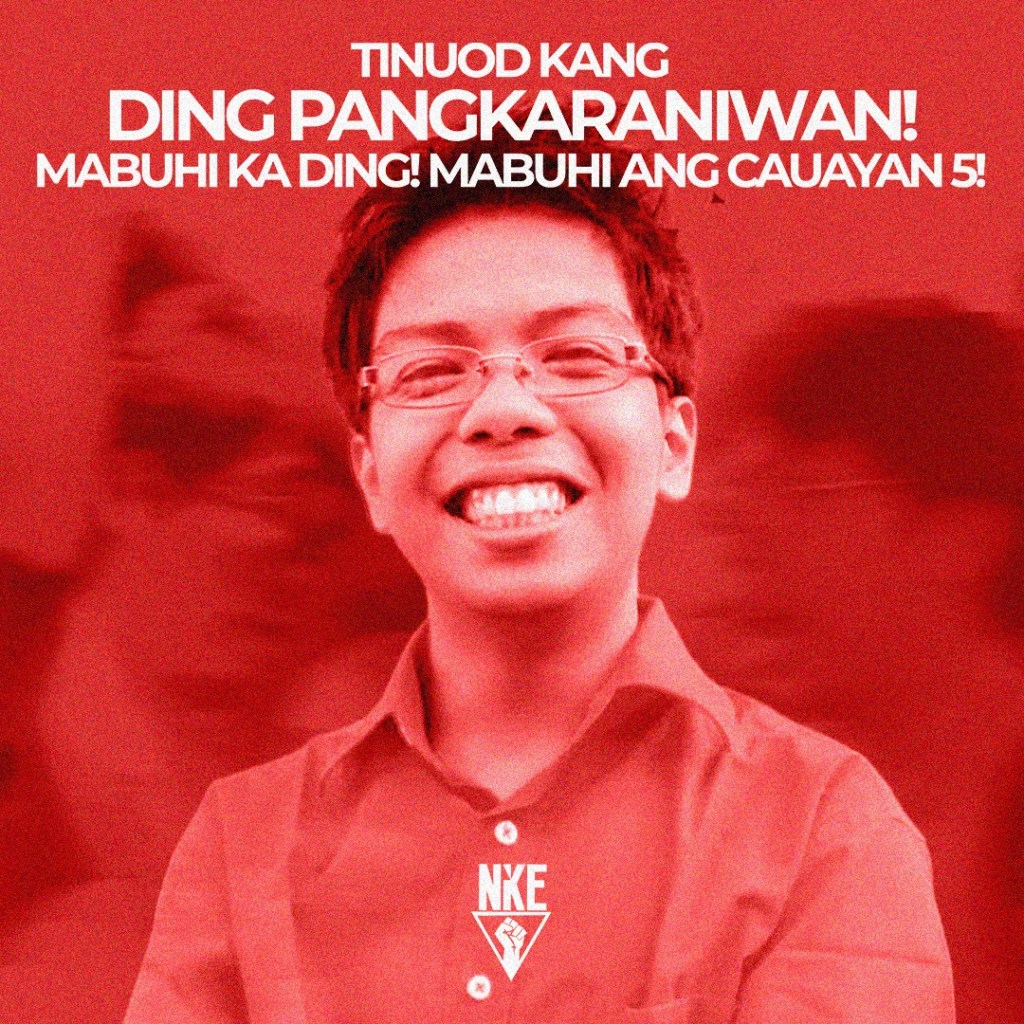
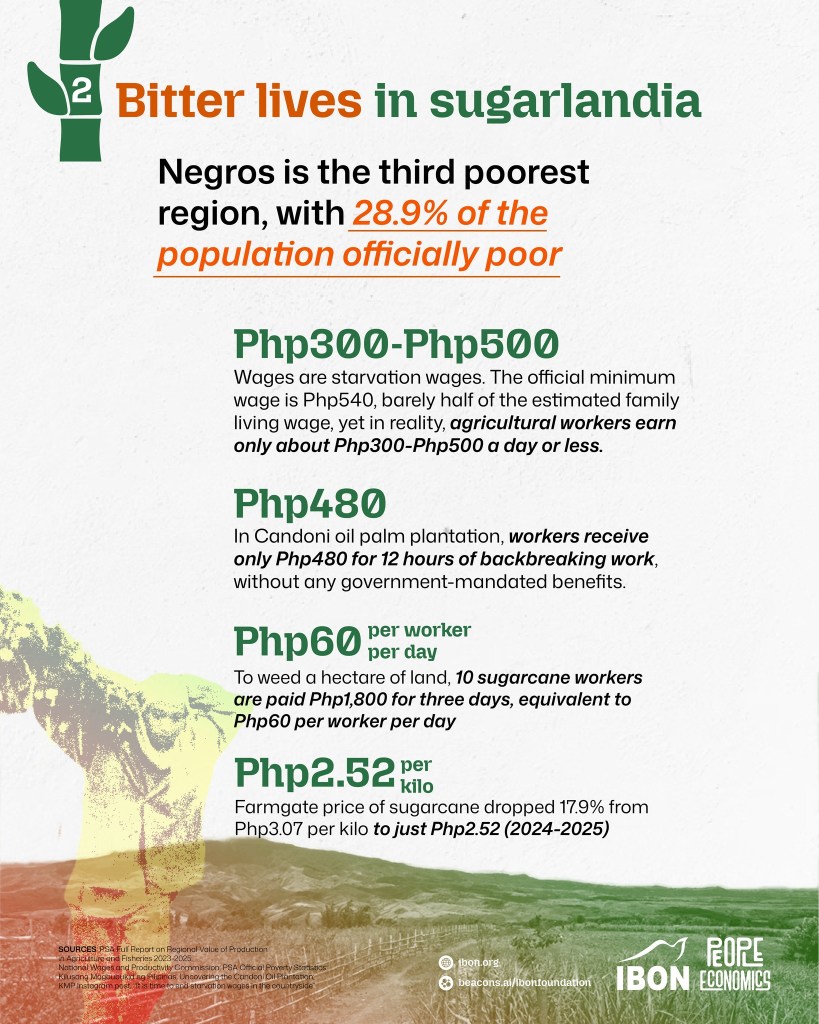
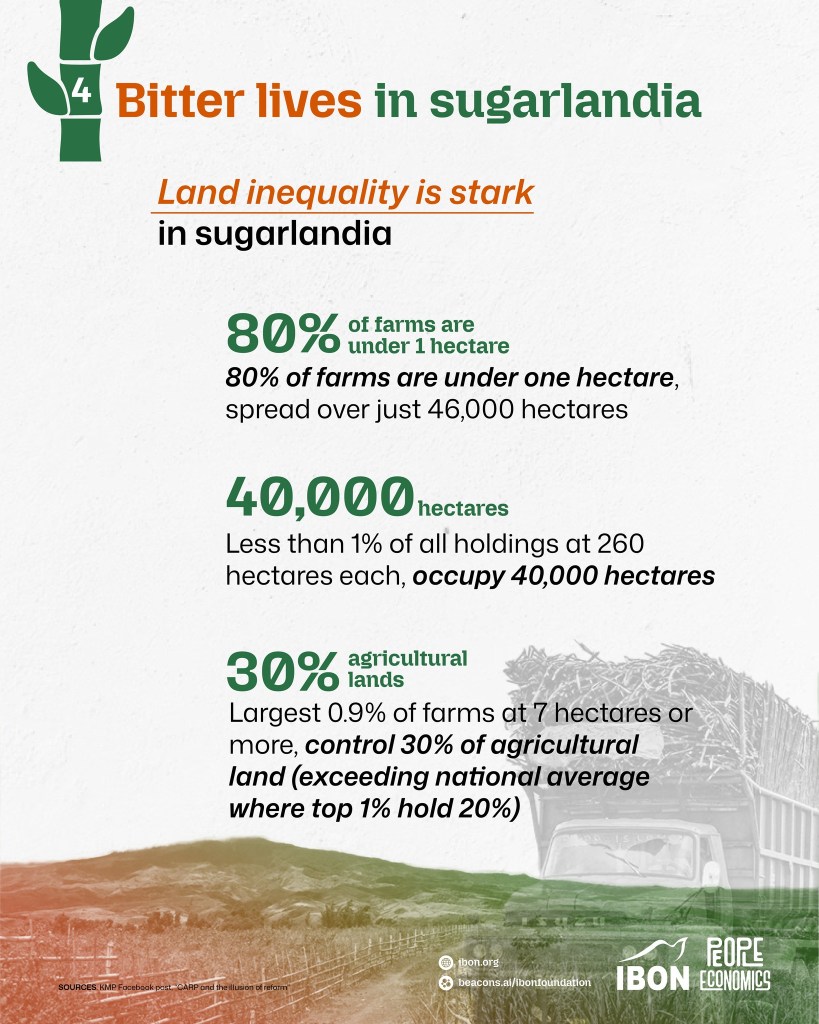
To Nagkahiusang Kusog sa Estudyante-UP Cebu, Dingding’s death was part of a wider pattern of militarization in Negros, where the island’s sugar economy has long been marked by landlessness, seasonal hunger, and meager farm wages.
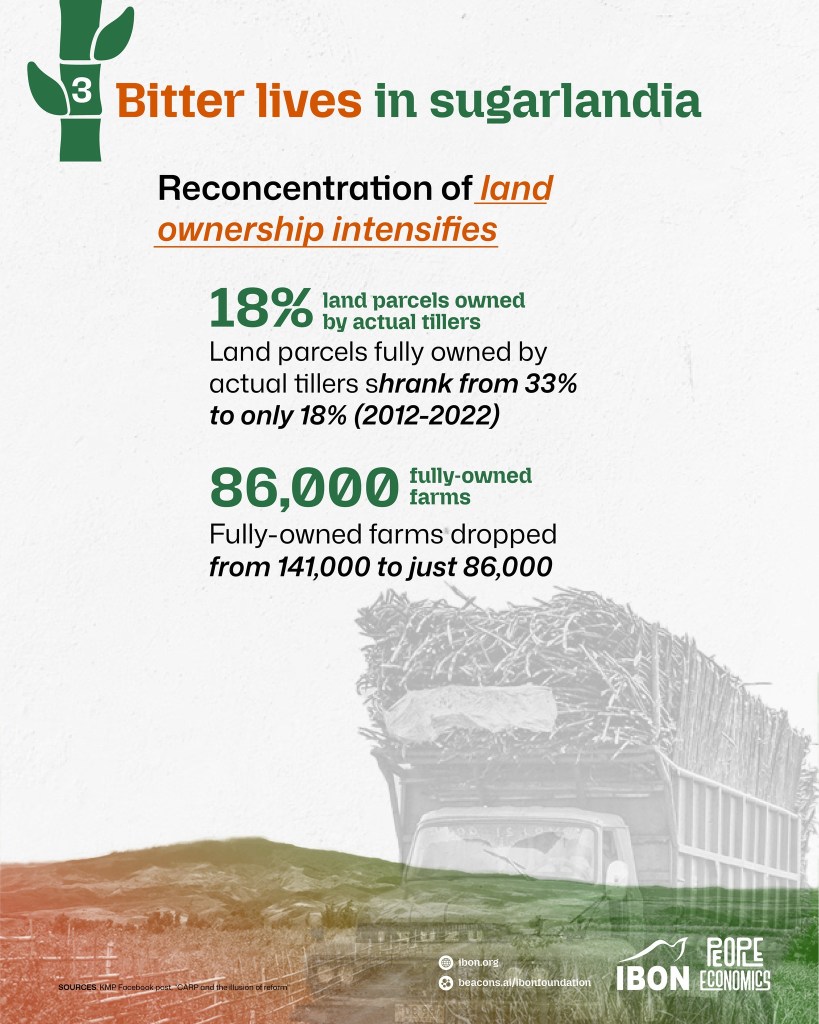
Negros is one of the country’s historic centers of sugar production, but peasant and labor groups have long said the wealth generated by plantations has not translated into secure land ownership or decent livelihoods for the workers who cultivate them. Many farmworkers remain dependent on seasonal work, low daily pay, and debt, while large estates continue to dominate rural life.
That uneven land structure is often described by activists as semi-feudal: a system where landlord control, plantation labor, patronage politics, and rural poverty persist despite formal democratic institutions and capitalist markets.
As such, the armed struggle in Negros persists amid social inequalities rooted in land monopoly, exploitation and the failure of meaningful agrarian reform. It is in this context that comrades of Dingding say he was compelled to immerse himself among the masses of Negros and eventually take up arms in the hopes of fighting for justice and long-lasting change.

The deaths came barely a month after the “Toboso 19 massacre,” in which rights groups said 19 people were killed in a military operation in Toboso, Negros Occidental. The incident drew outrage from peasant, youth, and human rights groups, which said the victims included civilians and community organizers. The military has maintained that the operation targeted only armed rebels.
For activists, the Cauayan deaths intensified fears that counterinsurgency operations in Negros are continuing to endanger rural communities, organizers and suspected rebels alike. They said the killings in Toboso and Cauayan reflect a broader climate of militarization in areas shaped by land disputes, plantation poverty, and demands for agrarian reform.
“Ding was never ordinary,” NKE said. “He carried himself with humility and simplicity, yet his contributions to the masses reached far beyond what many could ever hope to achieve in a lifetime.”
Dingding graduated with a Bachelor of Science in Computer Science from UP Cebu in 2016. He served as second-year representative from 2013 to 2014, councilor from 2014 to 2015, and vice chairperson of the UP Cebu Student Council from 2015 to 2016.
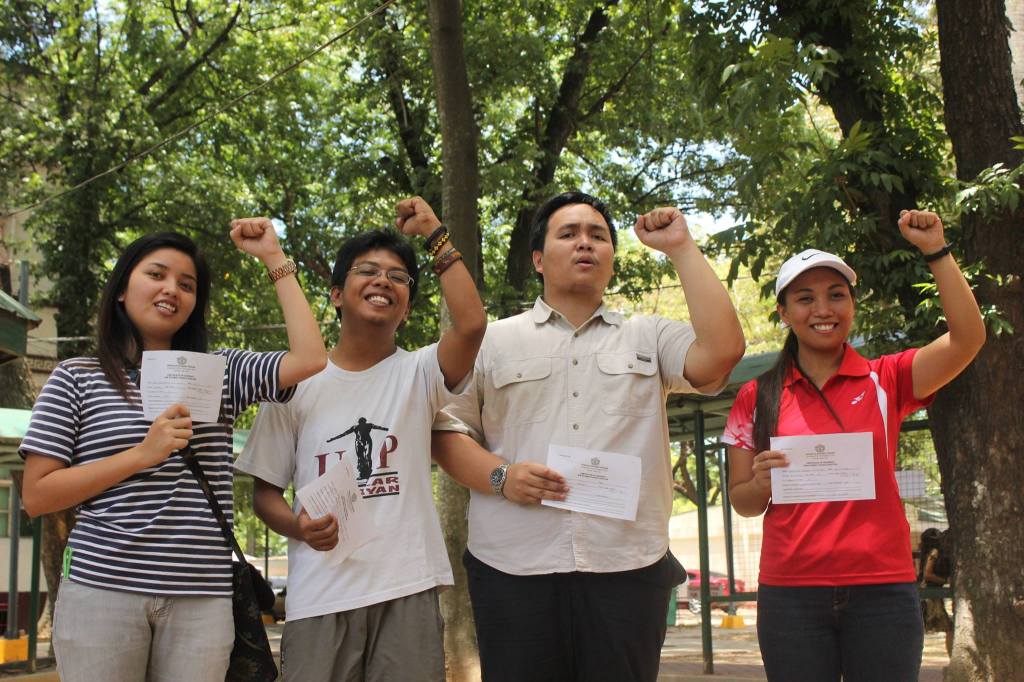
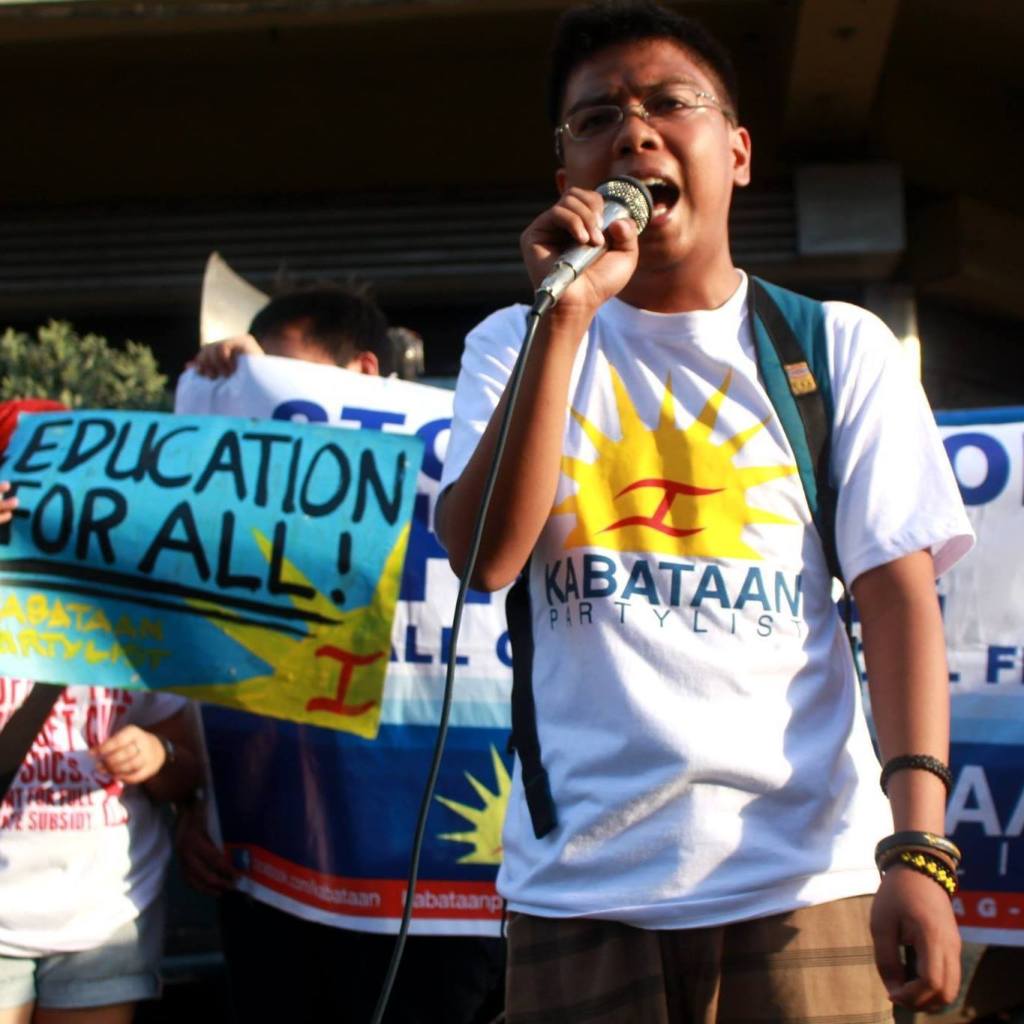
NKE said Dingding helped lead campaigns for accessible, quality, and free education, opposed tuition schemes, fought the K-12 program, as well as joined national campaigns against the pork barrel system and the Enhanced Defense Cooperation Agreement.
“He stood beside students fighting for accessible education, workers demanding dignity, and communities resisting exploitation and fascist violence,” the group said.
The NPA’s Legislador said Dingding was already “deeply socially conscious” during his college years, joining basic masses integration in communities in Cebu and understanding university life as “merely a microcosm of a deeply fractured society.”
After graduation, Legislador said, Dingding worked in the corporate technology sector but became disillusioned by its meager wages. In 2018, he left his job at a foreign company and first joined a “Tour of Duty” before becoming a full-time Red fighter two months later.
“Instead of using his problem-solving mindset to climb the corporate tech ladder, he chose to program something far more impactful — systemic social change,” Legislador said.
He said Dingding later formed close ties with peasant and youth communities in Negros, where he taught children and agricultural workers how to read and write and helped address local disputes.
“To his comrades, his greatest strength lay in his brilliant political acumen,” Legislador said, adding that Dingding had a gift for selecting revolutionary texts that addressed the ideological and practical concerns of his unit.
Legislador also described Dingding as a poet who contributed works to the cultural movement, and as someone “naturally playful” but emotionally perceptive, knowing “exactly when to crack a joke and when to command absolute seriousness.”
Mary Rose Ampoon, a comrade of Dingding and former member of NKE-UP Cebu, said Dingding helped shape her political consciousness long before she fully understood the conditions of farmers and workers.
“If it weren’t for you, I don’t think I would come to care and understand how our nation’s farmers and workers became the poorest, most neglected sectors of our society, and why that matters to us, then scholars whose education was funded by the Filipino people,” Ampoon said in a tribute.
She added that Dingding was not only politically sharp, but also funny and disarming, someone who could reach even students who were usually indifferent to politics. She said he brought students closer to farmers, workers and communities whose struggles were often ignored.
Ampoon also recalled one of their last conversations, when she confided in him about corporate burnout. Dingding, she said, reassured her that she was “still not a lost cause,” but also told her that he had left that life because he “did not like existing in it.”
“In all this, it comforts me to know you loved every single day of your existence,” Ampoon said. “The merciless, thankless, painstaking, but immensely fulfilling days of serving the people.”
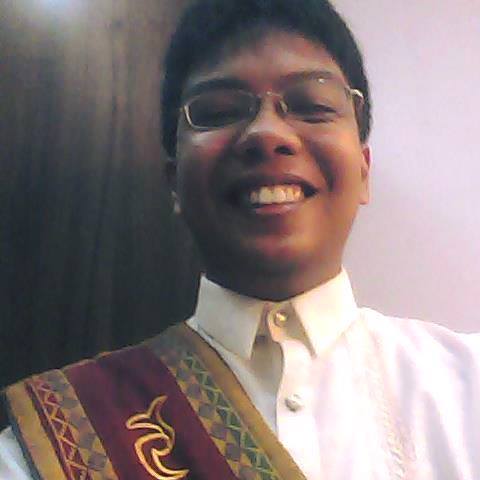
Claire Michaela Obejas, former student journalist for UP Cebu’s student publication Tug-ani, also remembered Dingding as a constant presence in UP Cebu’s activist circles.
Obejas said Dingding was at the first protest she covered as a student journalist—a demonstration against the veto of the SSS pension hike under the Aquino administration.
“Kuya Ding was always just around,” Obejas said, describing him as a pillar in student activism during her days in university.
She said Dingding remained present as she later joined ANDRES Cebu, an artist collective, and became involved in labor campaigns, including the struggles of the Liwayway Workers Union, Oishi workers, and Coke Cebu workers in 2018.
“I always knew him as one of the sharpest and most articulate people ever, but also the most hilarious. Very corny and witty,” Obejas said. “Kuya Ding shaped an entire generation of activists who now continue to serve the people in an endless number of ways, but, most importantly, with warmth, kindness, and humor.”
What happened in Cauayan
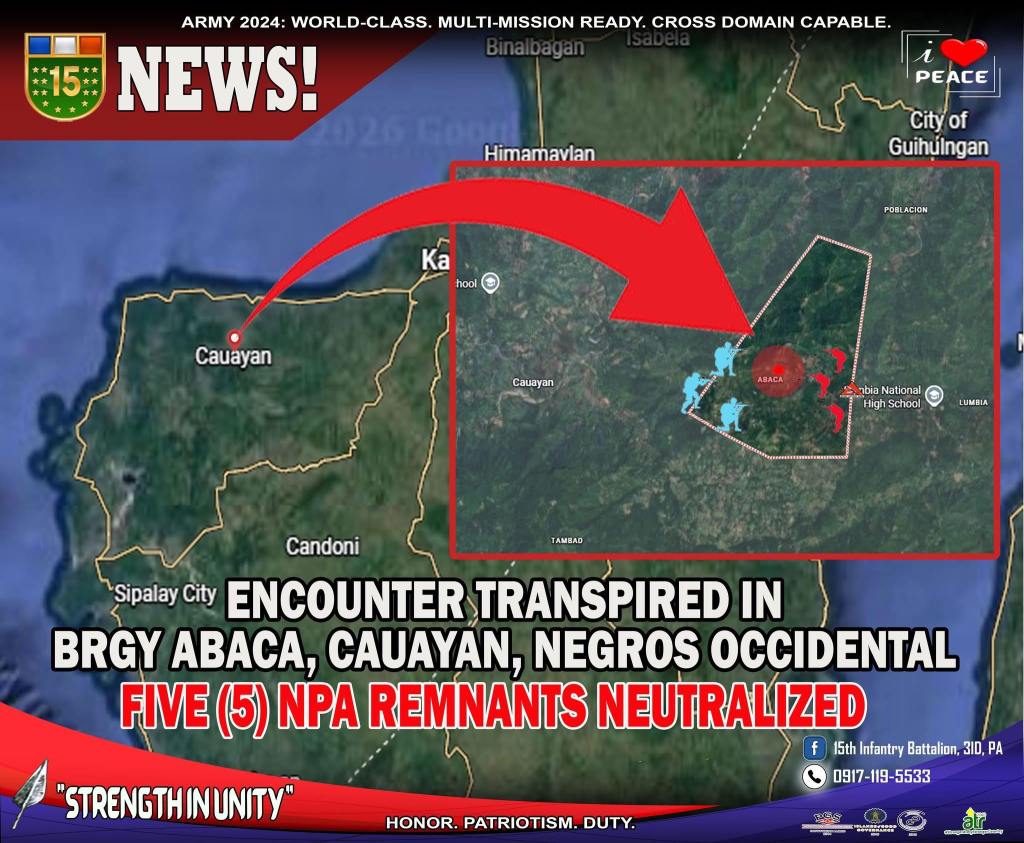
The military said the first encounter happened around 6 a.m. in Barangay Abaca, followed by clashes at 7 a.m. and 2 p.m. A final encounter was reported at 5 p.m. in Barangay Poblacion.
Brig. Gen. Jason Jumawan, commander of the 302nd Infantry Brigade, said troops launched the operation after residents allegedly reported the presence of armed rebels.
The Army accused the five of involvement in the killing of 26 civilians in Negros Occidental and Negros Oriental since 2025. It did not immediately provide detailed evidence for the allegations in initial reports.
The military also said the clashes displaced at least 116 families, or about 400 people, who were allowed to return home the following day.
NKE criticized the military’s account, saying the deaths “join the growing list of massacres and military operations across Negros” where violence is presented as peacekeeping while deeper social conditions remain unresolved.
“The struggle for education naturally connected itself to the struggles of workers facing exploitation and peasants confronting militarization in the countryside,” NKE said.
For those who knew him, Dingding’s death deepened grief in Negros, where land disputes, poverty, military operations, and allegations of human rights violations continue to draw scrutiny from rights groups, local communities, and student organizations.
Ampoon said Dingding’s death was difficult to accept, but his life had already left a political and emotional inheritance among those he guided.
“Within all of us, a mini-death transpires with the news of each passing,” she said. “But how can I surrender the world you gave up your life for?”
“He will be remembered for his unwavering commitment to the people, his humility despite his immense contributions, and his courage to continue struggling in a society that punishes those who choose solidarity over silence,” NKE said.
 Paghimutad