
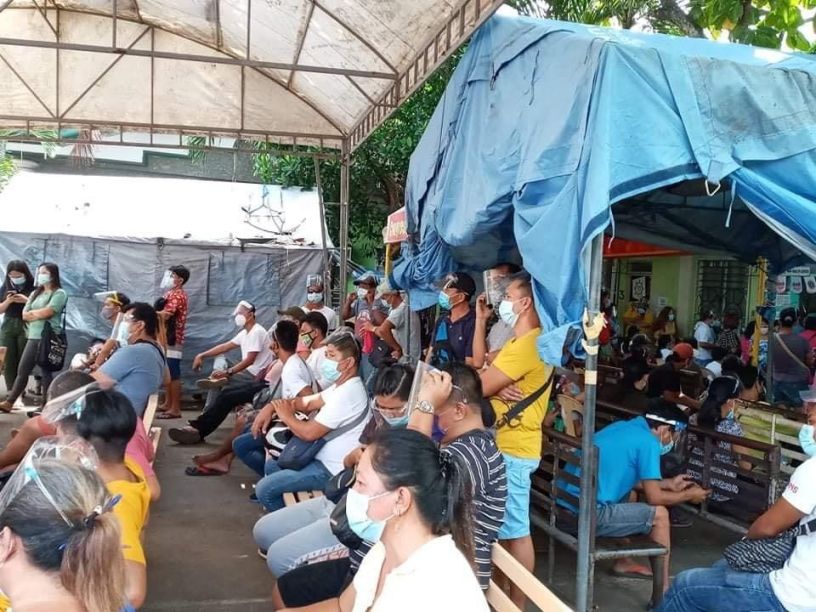
As Bacolod City reels from an accelerating rise of COVID-19 in the city as well as topping all Philippine cities in terms of coronavirus cases just last weekend, the healthcare system of the city is becoming ever-more strained, according to medical professionals. The City Government hastily declared a Modified Enhanced Community Quarantine (MECQ) on September 8, 2020 until September 30, 2020 in an effort to stem the spread of the virus.
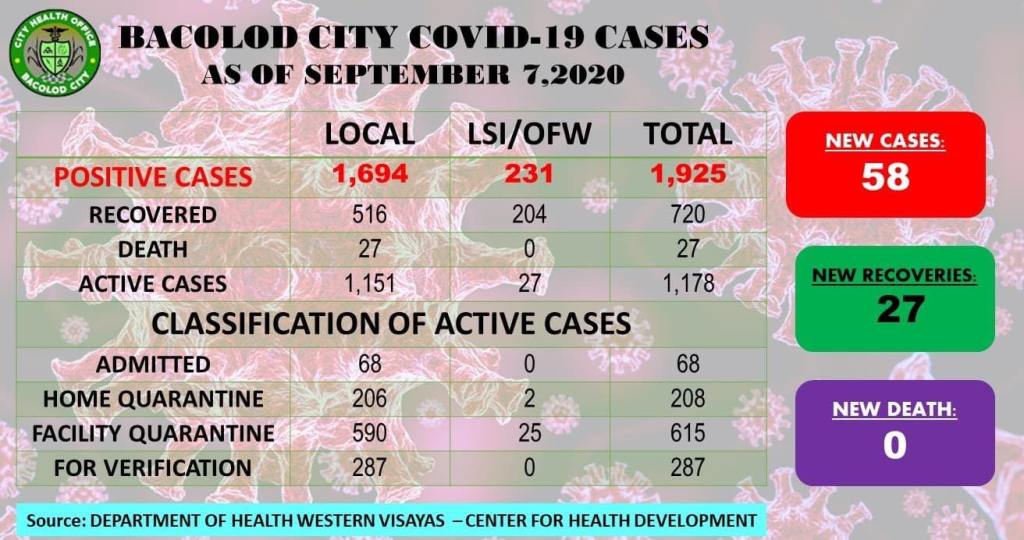
As of September 7, 2020, Bacolod City recorded a total of 1,925 cases, with 1,178 cases, including results from the “Timeout Weekend” imposed one week ago to conduct mass testing for the entire province. However, DOH-6 also reported on September 4, 2020 that the city has the lowest amount of COVID cases traced amongst the entire region at only 32%.
Through interviews with leading healthcare officials, collected data from two Bacolod hospitals show the capacity and the situation in the frontlines against the pandemic.
Doctor’s Hospital

Statistics: The Doctor’s Hospital is a tertiary Level 3, Training Hospitals with 160 beds.
Patient Admissions: The hospital is currently only averaging 40-50% occupancy only. However, two stations with 25 rooms solely reserved for COVID positive admissions are always full, along with reserve of another 10 rooms should capacity surge.
Staff: The hospital has 380 administrative, medical, and nursing staff. Due to the pandemic, nursing staff has decreased by 30% due to family pressure & to avoid possible COVID exposure.
COVID Cases: The 25 COVID-dedicated rooms are always full of coronavirus positive patients, with cases ranging from moderate to severe pneumonia.
Advice & feedback to general public: Avoid unnecessary travel, work at home if possible, follow safety guidelines, and truthfully declare daily if you possibly contracted or were exposed to COVID-19. As of the moment, we experience problems with patients who do not fully disclose their symptoms & expose healthcare workers in the process.
Opinion & Advice on Gov. Response: Presently, our government has no central command to address the situation. Hopsitals, Doctors, Nurses, Epidemiologists, LGU, DoH, and PhilHealth must work together, maximize and pool resources and be proactive rather than reactive.
Once swabbed for RT PCR test, the patient must be quarantined in an acceptable faiclity until results come out. PhilHealh must update payments and deliver the Information Risk Management as committed with the Hospital to maintain delivery of health services.
Active surveillance and testing are necessary to keep health facilities safe for patients’ adequate treatment.
Corazon Locsin Montelibano Memorial Hospital (CLMMRH)
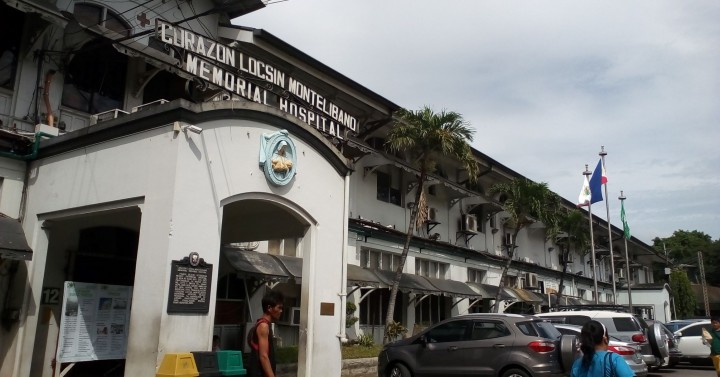
Statistics: The hospital has 400 bed capacity, with 1,500 staff complement, and an admission rate of 82%
Patient Admissions: There are currently 100 beds allocated for COVID Cases, but the support staff can only accommodate 45 beds, and 7 Intensive Care Unit (ICU) beds
COVID Cases: The COVID facility are at near-full capacity with 44 cases (as of September 8, 2020)
Opinion & Advice on Government Response: Currently, CLMMRH is experiencing problems with PhilHealth reimbursement, as well as sustainability of operating expenses as the regional hospital struggles to maintain its finances.
The local government response to the pandemic “remains to be desired”. They need to develop a comprehensive plan how to address the problem at the barangay level. An aggressive Test, Trace, Isolate, and Treat mechanism should be in place. To attain this, local government support for testing should be sustained.
The following data was obtained from leading hospital officials of the two hospitals on September 7, 2020. Views expressed by the aforementioned do not necessarily reflect the views of the hospital management or its staff.

