

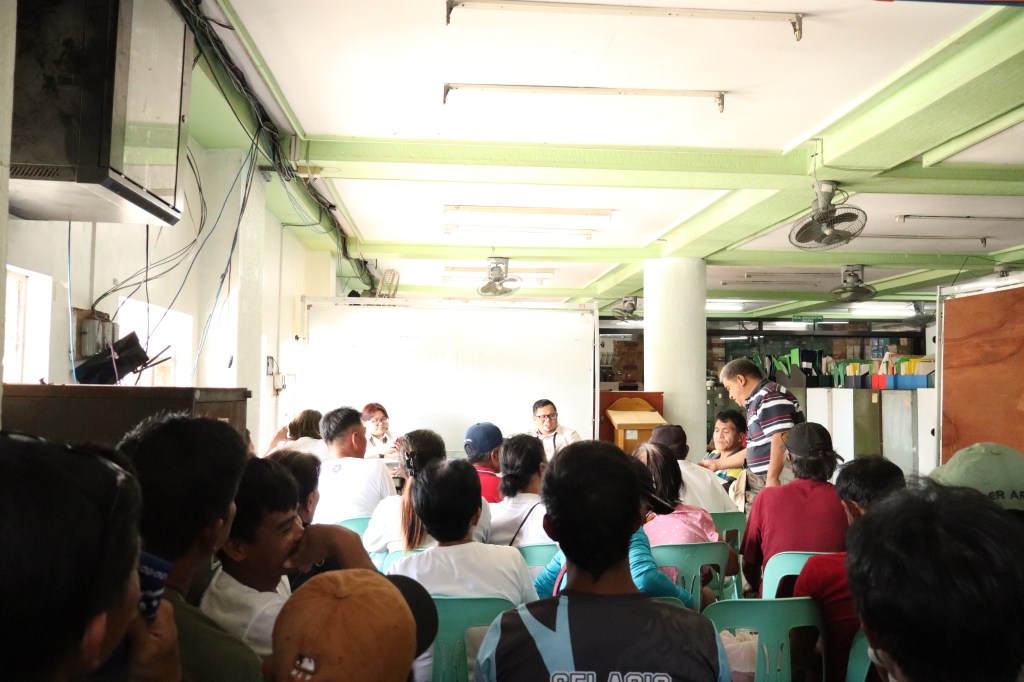
Nineteen farmworker households in Hacienda Sta. Maria Uno, Barangay E. Lopez, Silay City are facing demolition by February 28, 2026 following an ejectment order issued on land previously placed under the Comprehensive Agrarian Reform Program (CARP) and now occupied by a solar power project.
The landholding was issued a Notice of Coverage (NOC) dated January 3, 2013 under CARP, according to documents shown by the workers.
In 2014, they petitioned for CARP coverage as qualified agrarian reform beneficiaries but said the Department of Agrarian Reform Provincial Office did not complete the land acquisition and distribution process.
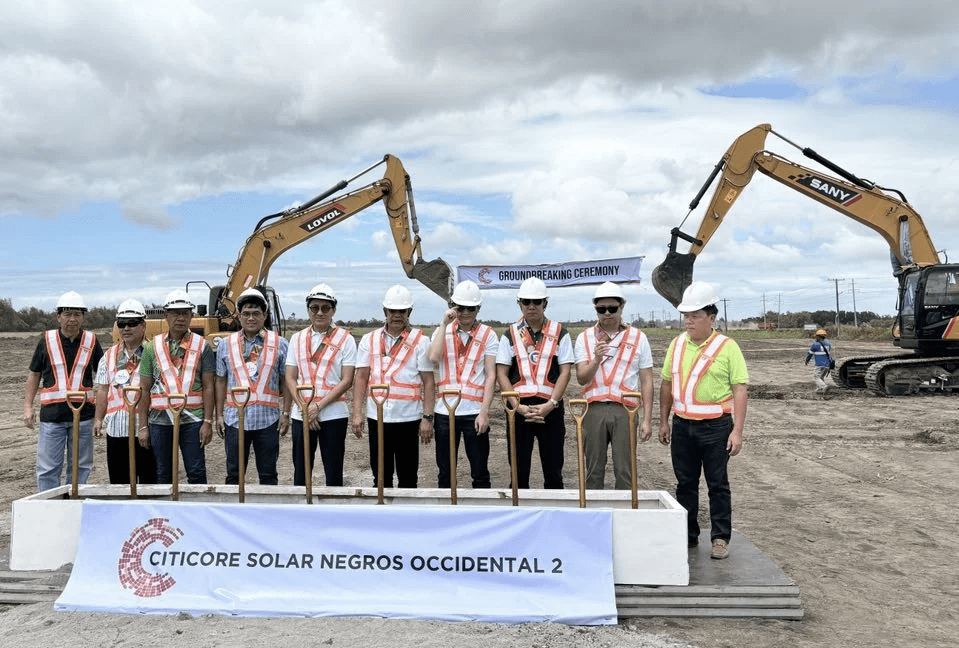
In March 2024, a P3-billion, 69-megawatt solar power project broke ground on the property, led by Citicore Renewable Energy Corporation.
Residents said land clearing began before the groundbreaking and solar panels now occupy about 60 hectares of the 94-hectare property.
More than 60 households live in the community, with some homes located around 10 meters from the solar installation.
On August 28, 2025, 21 workers received an Order of Ejectment in an unlawful detainer case, giving them six months to vacate.
Nineteen houses are directly affected.
The landowner argued that the workers are not qualified beneficiaries because they had already received money claims and separation pay.
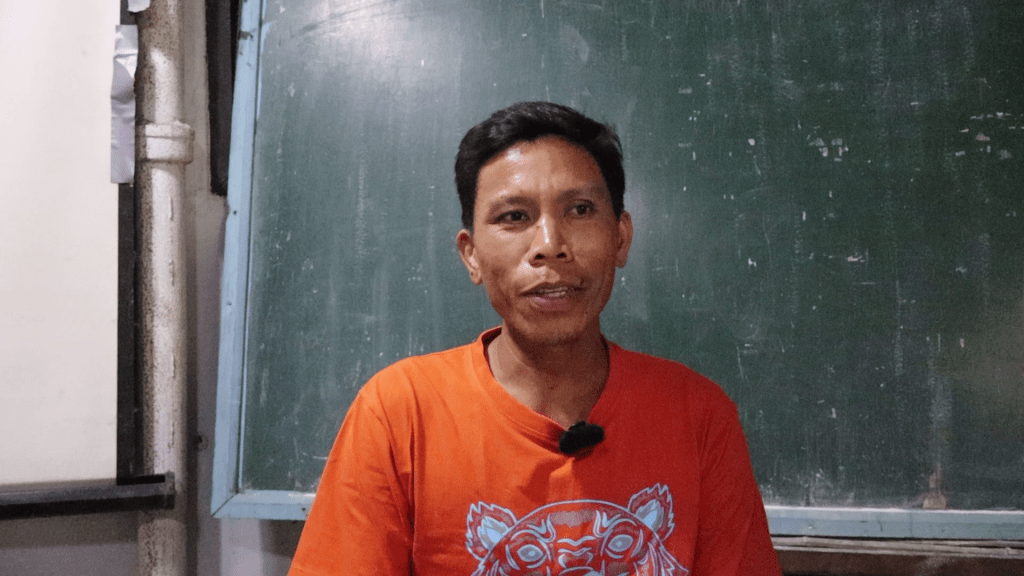
Rolano Maramara, 39, said his family has lived and worked in the hacienda since the 1990s. He is one of the 21 workers facing an unlawful detainer case and their homes facing demolition set for February 28.
He said the workers were not consulted when land clearing and construction began.
“Samtang ga bungkag sila da sang duta, wala man lang gani sang istorya ukon meeting sa amon nga mga obreros,” he said in an interview with Paghimutad. (“While they were clearing the land, there was no explanation or meeting for us workers.”)
He said they later approached the landowner but felt their concerns were ignored. Payments were given, he added, but the workers questioned whether the amounts reflected their actual years of service.
In March 2025, they were summoned and given 10 days to respond to the case.
They sought assistance from the Public Attorney’s Office and later signed a compromise agreement, which Maramara said they felt compelled to accept.
“Nag desisyon na lang kami mag pirma sang compromise agreement kay daw naipit kami,” he said, adding that the PAO lawyer was not present during the signing. (“We decided to sign the compromise agreement because we felt cornered.”)
It was only afterward, he said, that they confirmed the hacienda had a Notice of Coverage under CARP.
On December 9, 2025, the workers sent a letter to the Department of Agrarian Reform Municipal Office requesting dialogue. They were later informed that the land had been granted land use conversion.
Maramara said the families have yet to receive definite relocation.
He appealed to the Department of Agrarian Reform to intervene, saying they consider themselves beneficiaries of the hacienda.
Espetacion Hontarciego, wife of one of the workers facing demolition, likewise said no consultation was conducted with the community before construction began. She questioned why the solar facility was built close to their homes.
“Subong, init gid diri sa amon. Lapit lang gid ang solar panels sa amon balay,” she said. (“Now, it has become very hot here for us. The solar panels are very close to our houses.”)
She added that since sugar work stopped, many of the men have been forced to seek temporary jobs in the city or take contractual work in other haciendas.
As the February 28 deadline approaches, the families said they continue to seek intervention from agrarian reform officials and the local government to halt the demolition.

