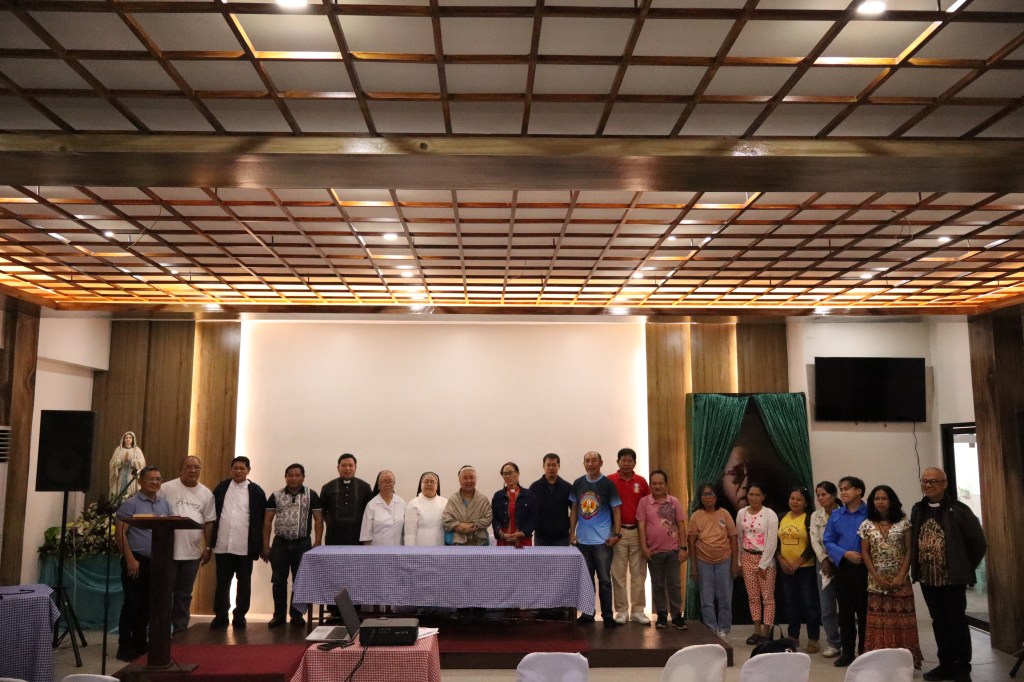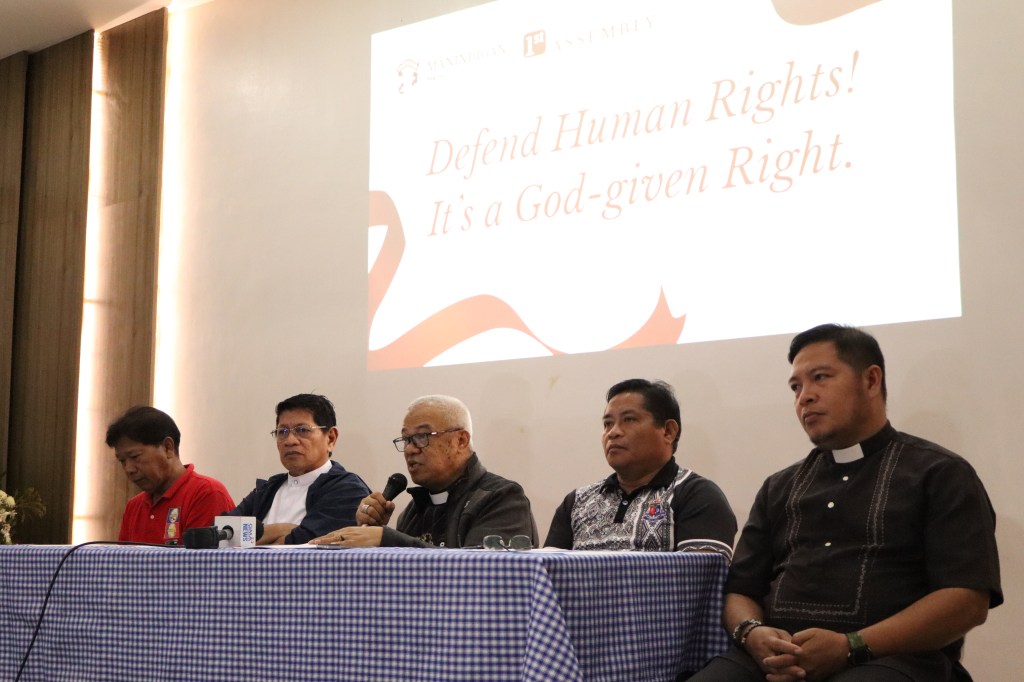
Church leaders, civil society, and sectoral groups in Negros marked the 154th death anniversary of Gomburza by launching the Negros chapter of Manindigan, an alliance opposing what it called state terrorism and violations of international humanitarian law under the Marcos Jr administration, last February 17 at Fortich Hall in Our Lady of Lourdes Parish, Brgy. Bata.
“In this era of militarism and authoritarian overreach, our standing is an act of resistance,” San Carlos Bishop Gerardo “Gerry” Alminaza said in his keynote address. “Peace must be based on justice.”
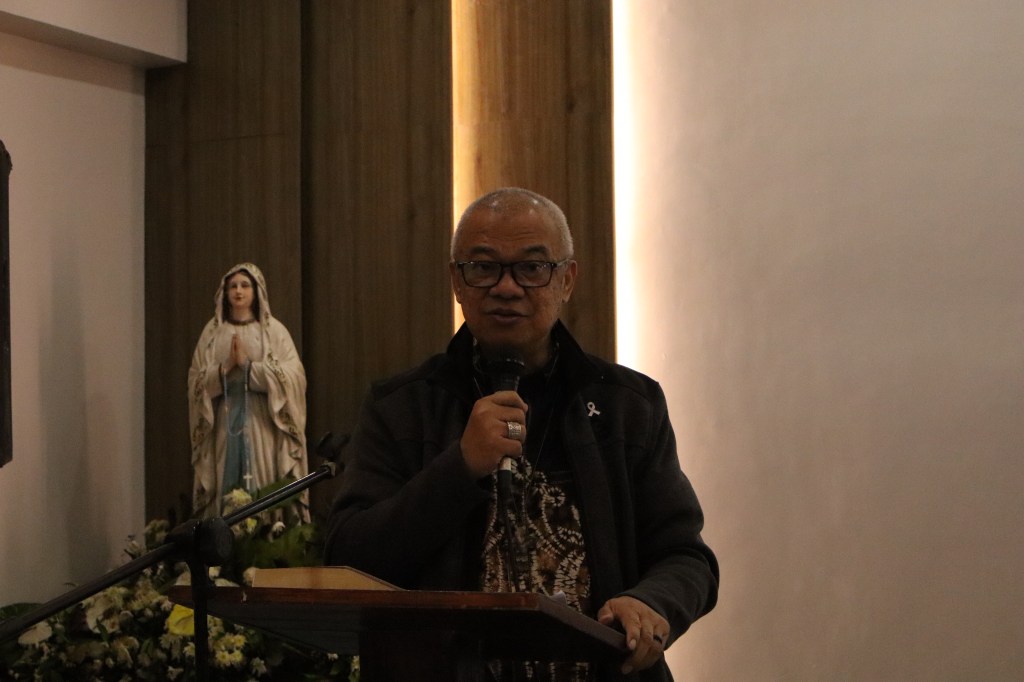
Alminaza linked the martyrdom of Gomburza to present struggles on the island. “They did not die in vain. They became seeds. When seeds are buried, they rise,” he said.
“Para sa akon, ang ila nga mga binhi nga gin tanom sa ila kabuhi, maga-usbong paagi sa Negros Manindigan,” he added.
He criticized the Anti-Terrorism Act of 2020 and earlier terror financing laws, saying these have constricted democratic space and targeted church and development workers.
He cited charges filed against development workers of the Paghida-et sa Kauswagan Development Group in southern Negros and cases involving church-linked networks in the Visayas.
Alminaza said rural communities continue to bear the brunt of militarization and counterinsurgency operations under the National Task Force to End Local Communist Armed Conflict.
“The state’s militarist approach undermines actual development,” he said, adding that budgets intended for social services are tied to security programs.
He warned that newly announced intelligence systems in northern Negros could heighten fear among civilians.
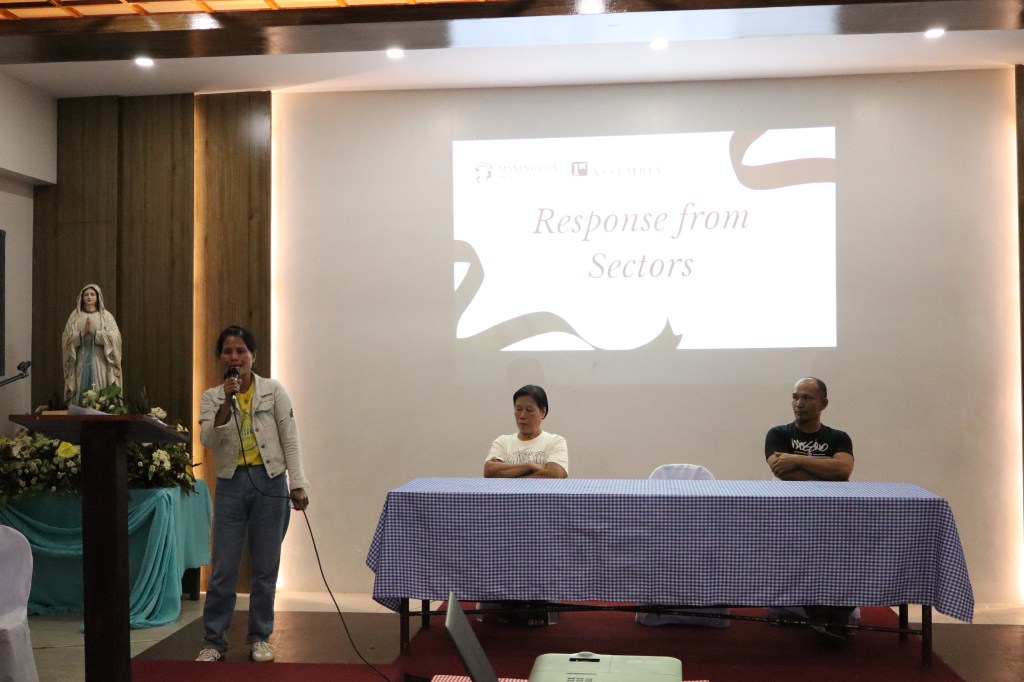
Sectoral representatives linked these concerns to local cases.
Farm workers from Hacienda Michaela in Murcia reported confrontations with armed men allegedly linked to Ta-ala Farms, as their continued occupancy of land covered by Certificates of Land Ownership Award (CLOAs) is being contested by the company.
Residents of Candoni raised concerns over the expansion of oil palm plantations and the continued operations of the HAPI Inc despite a cease-and-desist order issued by the provincial government.
Development worker Perla Pavillar of PDG Inc recalled facing charges of alleged terrorist financing under the Anti-Terrorism Act, which supporters have described as fabricated.
Alminaza also recalled his own red-tagging in 2023 and threats received by human rights lawyer Rey Gorgonio and PDG workers, saying intimidation has intensified against organizers and rural communities.
“If powers-that-be can threaten a bishop and a well-respected lawyer, then the intensity of red-tagging on the rural poor is much worse,” he said.
Alminaza said the roots of armed struggle remain unaddressed.
“As long as there is social injustice, there will be armed conflict,” he said, citing the failure of genuine land reform.
He called for the resumption of peace talks between the government and the NDFP.
Quoting the late Antonio Fortich, Alminaza said the “social volcano” that existed before the 1986 EDSA People Power Revolution continues to erupt due to unresolved inequality.
He said post-EDSA reforms were “palliative” and did not address structural injustice.
“There is no just and lasting peace yet,” he said. “Peace must be based on justice.”
He urged artists, lawyers, students, church workers, and civil society groups to link arms in solidarity and defend those facing harassment and false charges.
“Let Bishop Fortich come alive again among us,” he said.