
BACOLOD CITY, Negros Occidental — The Commission on Human Rights has announced an independent investigation into the April 19 military operation in Toboso, Negros Occidental, that left at least 19 people dead.
Among those killed were student leader Alyssa Alano, community journalist RJ Nichole Ledesma, peasant organizers Maureen Keil Santuyo and Errol Wendel, local farmer Roel Sabillo, and Filipino-American human rights advocates Lyle Priojles and Kai Sorem.
CHR highlighted significant inconsistencies in the identities of those killed and stressed that both the military’s claims and civil society’s assertions require “thorough, independent verification.” The commission emphasized the status of the victims, the circumstances of the engagement and questions of proportionality must be determined through verifiable facts and due process.
“In case of doubt, persons shall be presumed civilians,” the commission said.
While the military has maintained that all 19 killed in Barangay Salamanca were members of the New People’s Army, rights advocates and civil society organizations dispute the claim. Such is the case with one of the victims, Ledesma, who was documenting communities affected by renewable energy projects in northern Negros
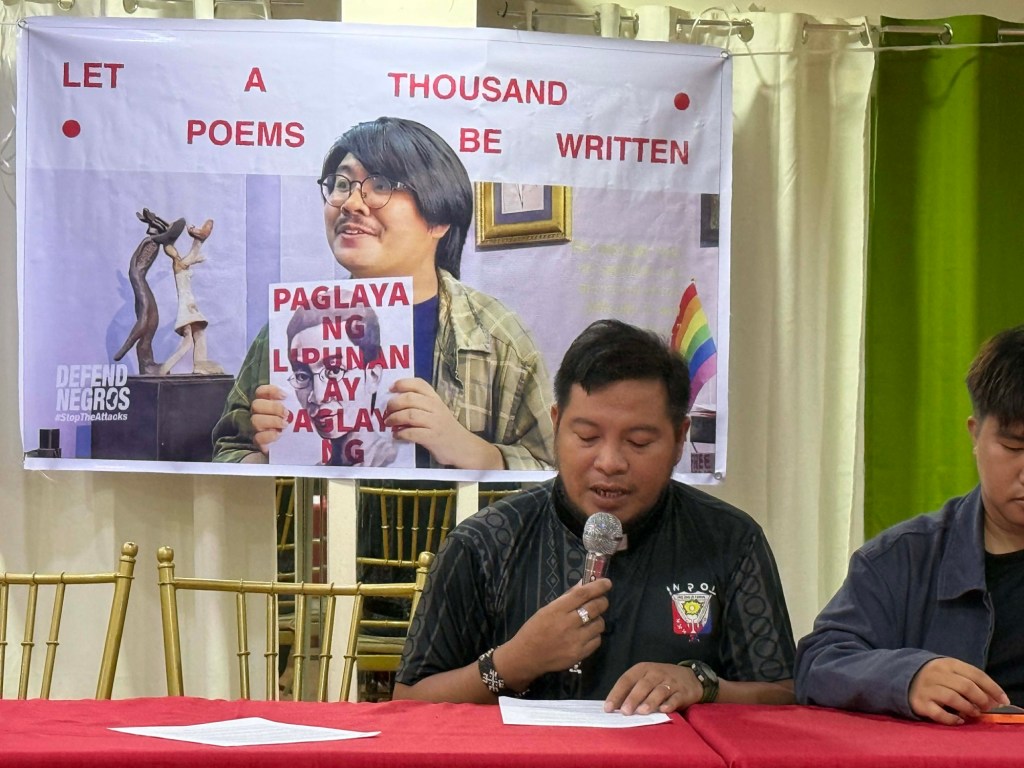
Photo Source: Adrian Bobe/GMA News
Human Rights Advocates Negros welcomed the probe but on skeptic CHR’s efficiency. “A number of referrals made to the commission previously has made no progress several months after,” the group said, adding that its reports “cannot be easily accessed.” The group called for “a truly independent body” led by the CHR with civil society participation and demanded the removal of the 79th Infantry Battalion from Negros.
“We welcome the investigation, and hope that it will be truly independent and impartial,” Florence Guzon, Kabataan Partylist Vice-President for Visayas secretary-general said. He maintained that Ledesma, a Bacolod-based journalist, was a civilian who went to northern Negros to do research among communities facing potential displacement from windmill and solar farm expansion.
The killings have renewed scrutiny of Memorandum Order 32, a 2018 directive that expanded military and police deployment in Negros and other areas. Rights advocates say that the order institutionalized a culture of violence on the island against peasants, activists, lawyers, journalists and community organizers under the guise of counterinsurgency operations.
The CHR also raised concern over reports that more than 100 families were displaced after the incident and urged authorities to provide humanitarian aid, protection and access to basic services.
The commission called on all parties to preserve evidence, allow access to sites and cooperate with the investigation.

